Introduction to Kidney Stones
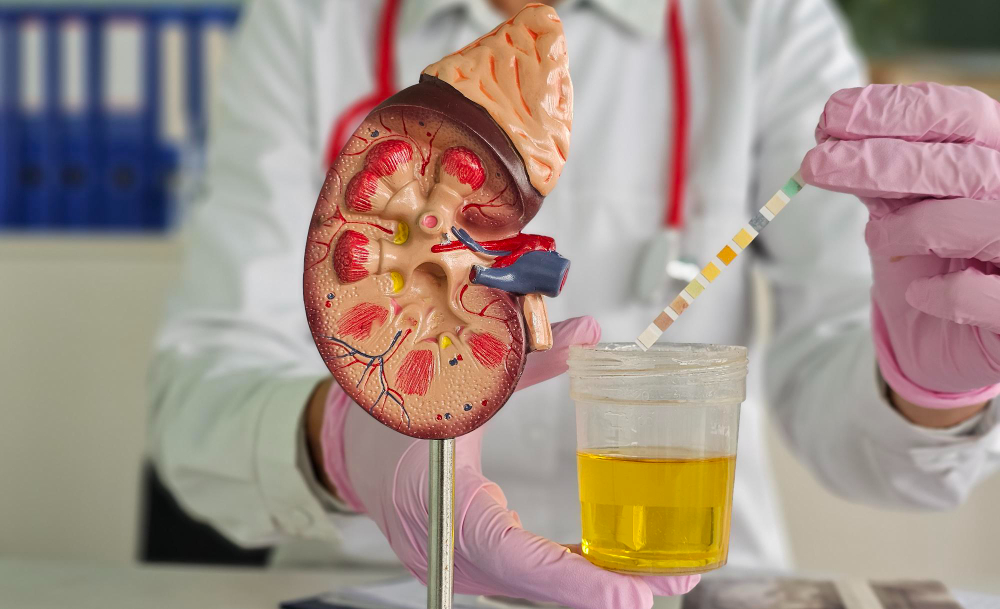
Kidney stones are hard deposits that form inside your kidneys. They can cause pain and other symptoms as they move through your urinary tract. Knowing the symptoms of kidney stones can help you get help early and avoid problems.
Common Symptoms of Kidney Stones
Many people notice symptoms of kidney stones when the stone moves or blocks the flow of urine. Often, the pain can be sudden and severe. However, some people may have mild or no symptoms at first. Here are the most common signs:
Because these symptoms can also be caused by other problems, it is important to pay attention to how you feel.
Early Warning Signs to Watch For
Sometimes, early signs of kidney stones are easy to miss. Still, catching them early can help you avoid more pain later. Look for these early warning signs:
For many people, these signs appear before severe kidney stone pain starts.
When to Seek Medical Attention
Although some kidney stones pass on their own, you should know when to see a doctor for kidney stones. Seek help right away if you notice:
In the US, doctors often use tests like ultrasound or CT scans to check for kidney stones. According to the CDC, quick care can prevent kidney damage or infection.
How Symptoms May Differ by Age, Gender, or Stone Location
Symptoms of kidney stones can vary from person to person. For example, children may have belly pain instead of back pain. Women sometimes mistake kidney stone pain for menstrual cramps. Men may feel pain in the groin or testicles. Additionally, the location of the stone matters. If the stone is in the kidney, pain may be higher in the back. If it moves lower, pain can spread to the lower belly or groin. Therefore, always pay attention to new or unusual pain.
Lifestyle Tips for Symptom Relief
While waiting to see a doctor, you can try a few simple steps to ease discomfort:
However, these tips do not replace medical care. If your symptoms get worse, seek help right away.
Summary
In summary, knowing the symptoms of kidney stones can help you act quickly. Early signs like mild pain or changes in urine should not be ignored. If you have severe pain, fever, or trouble urinating, see a doctor as soon as possible. Quick action can protect your health.
If you notice any symptoms of kidney stones, consult a healthcare specialist for personalized advice.